Published October 1, 2026
Foreclosures and REO Properties: A Guide for Mid-South Investors

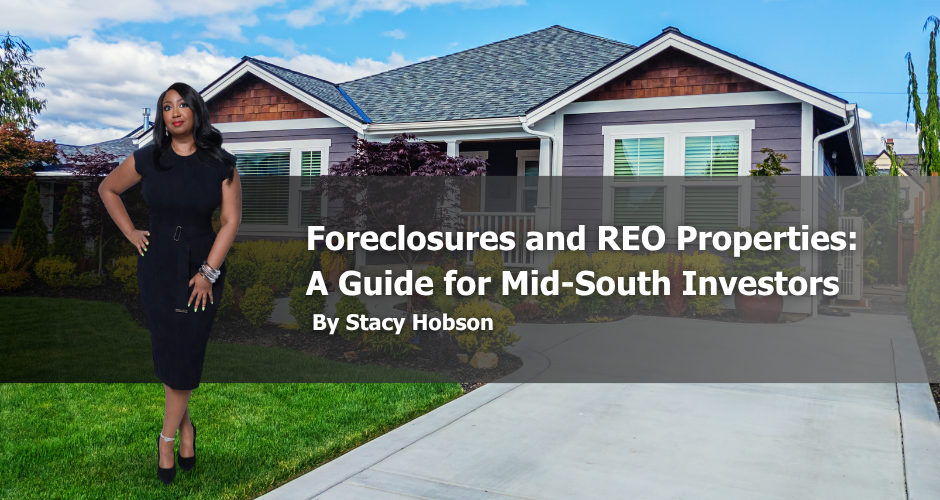
If you have been investing in the Mid-South for any length of time, you already know that the best deals rarely show up with a bow on top. Some of the strongest opportunities I have seen in Memphis, the surrounding Shelby County submarkets, and across North Mississippi came from distressed properties: foreclosures and bank-owned homes, commonly called REO (Real Estate Owned).
These deals can build real wealth. They can also cost you a great deal if you walk in unprepared. As a broker licensed in both Tennessee and Mississippi, and as someone who approaches every purchase with an MBA's eye on the numbers, I want to walk you through how these properties work and how to decide whether one belongs in your portfolio.
First, Know the Difference
People use "foreclosure" as a catch-all, but you can buy a distressed property at three very different stages, and each carries its own risk profile.
• Pre-foreclosure: The owner has fallen behind and the lender has started the process, but the home has not been sold. You may be able to negotiate with the owner directly, often through a short sale. It takes patience and lender approval.
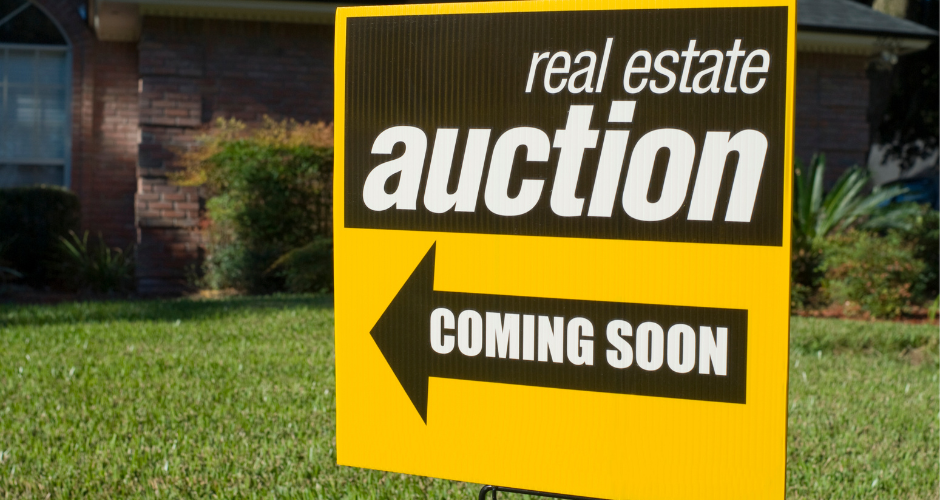
• Foreclosure auction: The property is sold to the highest bidder, typically on the courthouse steps. Speed and cash are the price of admission.
• REO: The property did not sell at auction and now belongs to the lender. It is listed on the market, usually through an asset manager and a listing agent. This is the most accessible route for most investors.
How Foreclosure Works in Tennessee and Mississippi
Both Tennessee and Mississippi are deed of trust states, and most foreclosures here are non-judicial. That means the lender generally does not have to go through the courts. Instead, a trustee follows the power-of-sale terms in the deed of trust, publishes required notices, and conducts a public sale. For investors, that means a faster timeline than in many judicial states, and it also means the calendar can move quickly on you.
Notice periods, publication requirements, and redemption rights differ by state and can depend on the language in the specific deed of trust, so do not assume one county's process matches the next. Have a real estate attorney review the paperwork on any auction purchase before you bid. This is not the place to save a few hundred dollars.
Buying at Auction: High Reward, High Homework
Auction properties can trade at meaningful discounts, but you are typically buying "as is," often without an interior inspection, and usually with cash or certified funds due on a tight timeline. Before you raise your hand, I want you to have done the following:
1. Run a title search. Liens ahead of the foreclosing lender, such as senior mortgages, tax liens, or judgment liens, may survive the sale. A cheap price means nothing if you inherit someone else's debt.
2. Drive the property. You may not get inside, but you can learn a lot from the roof, the yard, the neighbors, and the general condition of the street.
3. Confirm occupancy. An occupied property means you may need to go through a legal eviction process after closing. Budget the time and the money.
4. Set a hard ceiling. Work backward from your after-repair value (ARV), subtract repairs, holding costs, and your desired profit, and stop there. Auctions are emotional. Your number should not be.
REO Properties: The Steadier Path
For many of my clients, REO is the sweet spot. You get to inspect the property, negotiate through a licensed agent, and usually receive clear title with a title policy. The tradeoffs are worth knowing.
• Condition varies widely. Some bank-owned homes are lightly neglected, while others have been stripped of fixtures or had utilities off for months. Get a thorough inspection, including sewer line, HVAC, and roof.
• Expect a process. Lenders and their asset managers work through addendums, approval layers, and their own timelines. Patience and a clean, well-documented offer help.
• Discounts are not guaranteed. In a competitive market, well-priced REO listings draw multiple offers. Do not assume the bank will hand you a bargain. Let the numbers tell you.
• Pre-approved funds matter. Proof of funds or a lender pre-approval strengthens your offer and speeds the response.
Run the Numbers Like a Business
I cannot stress this enough: a distressed property is not a good deal because it is distressed. It is a good deal because the math works. Before making any offer, build a simple analysis that includes:
• Purchase price and closing costs
• Realistic repair budget, plus a contingency of at least 10 to 15 percent
• Holding costs such as taxes, insurance, utilities, and financing
• Exit strategy: flip, buy-and-hold rental, or BRRRR
• Conservative ARV based on recent, truly comparable sales
If the deal only works when everything goes perfectly, it is not a deal. Contractors run late, permits take time, and surprises show up behind the drywall. Build a margin that can absorb them.

Know Your Local Market
The Mid-South is not one market. Memphis neighborhoods can vary dramatically from block to block in values, rents, and resale demand. North Mississippi communities such as Southaven, Olive Branch, and Horn Lake offer a different mix of buyers, tenants, and price points. Rental demand, property tax rates, insurance costs, and local code requirements all affect your returns. A deal that pencils out in one zip code can fall apart a few miles away.
This is where working with a broker who is licensed on both sides of the state line makes a real difference. I can help you compare opportunities across Tennessee and Mississippi so you are choosing based on the best fit for your strategy, not just the closest listing.
Common Mistakes I See
• Skipping the title work because the price looked too good to pass up.
• Underestimating repairs and forgetting that older Mid-South homes can hide foundation, plumbing, and moisture issues.
• Bidding with emotion and paying retail prices for a wholesale problem.
• Going it alone without an agent, attorney, or contractor who knows the local area.
Ready to Take the Next Step?
Foreclosures and REO properties reward investors who are disciplined, informed, and well advised. Whether you are buying your first rental or adding to an established portfolio, my goal is to help you move forward with clear numbers and no surprises.
If you would like to talk through your investment goals or review a specific property, I would be glad to help. Reach out to me at J Hunter Realty, LLC, and let's find the right opportunity for you.
Stacy Hobson, MBA
Owner-Managing Broker | J Hunter Realty, LLC
Licensed in TN & MS
901.483.0412 | 901.405.0500
stacy@jhunterrealty.com
www.jhunterrealty.com
3383 Park Ave, Memphis, TN 38111