
Published February 13, 2025
The Pros and Cons of Buying a Fixer-Upper: Is It Right for You?

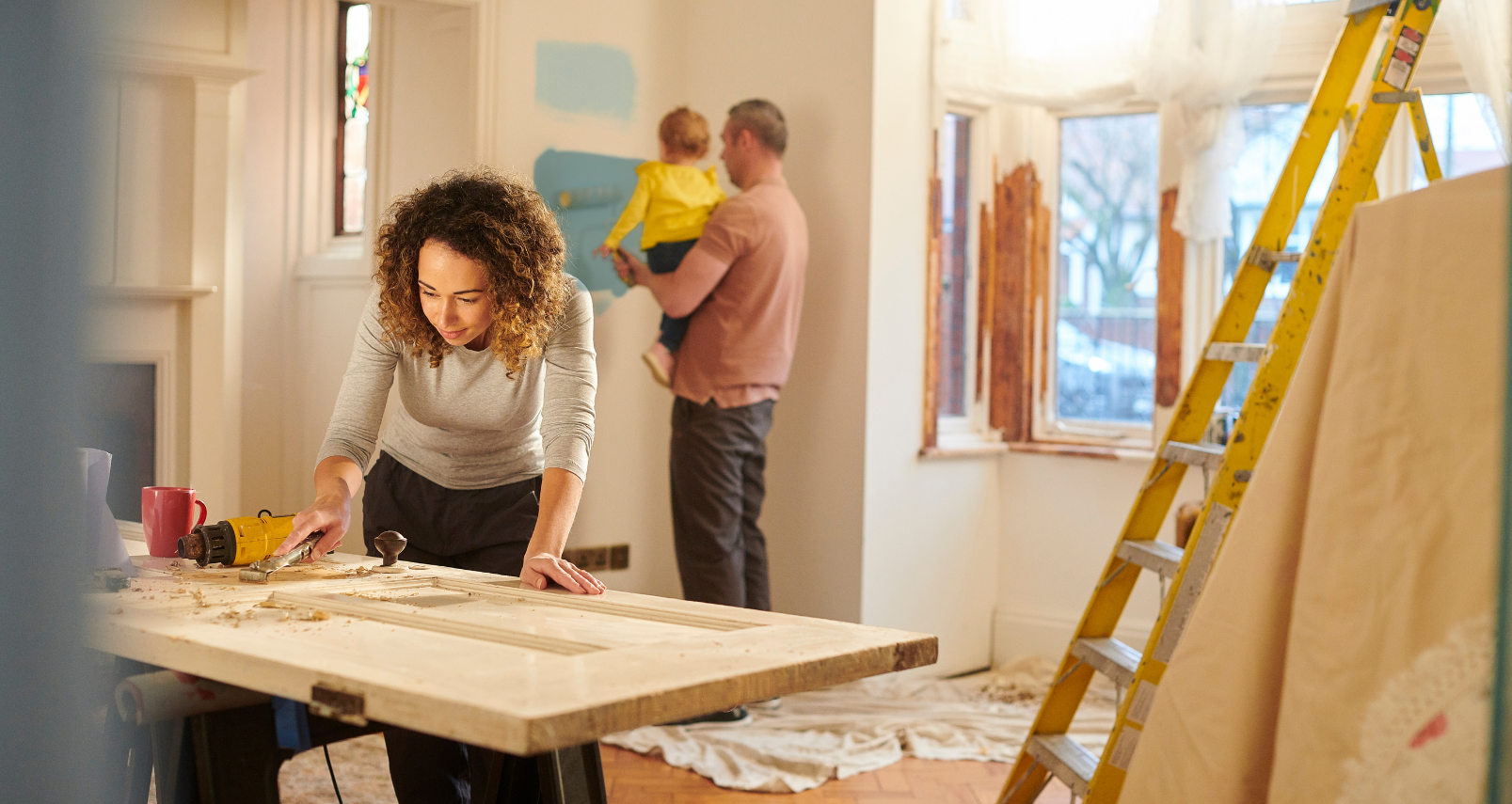
Buying a fixer-upper home can be a great way to save money and customize a property to your liking, but it also comes with challenges. Before you take the plunge, it’s important to weigh the pros and cons of buying a fixer-upper to determine if it’s the right choice for you.

Pros of Buying a Fixer-Upper
1. Lower Purchase Price
One of the biggest advantages of buying a fixer-upper house is the lower upfront cost compared to move-in-ready homes. You can often get more square footage or a better location for less money.
2. Customization Potential
With a fixer-upper, you have the freedom to design your home the way you want. From kitchen renovations to bathroom remodels, you can choose the materials, colors, and finishes that suit your style.
3. Increased Home Value
Renovating a fixer-upper can significantly increase your home’s resale value. If you make smart upgrades, you could turn a profit when you decide to sell.
4. Less Competition in the Market
Move-in-ready homes often attract multiple buyers, leading to bidding wars. Fixer-uppers tend to have less competition, allowing you to negotiate a better deal.
5. Potential for Instant Equity
If you buy below market value and make strategic home improvements, you can build home equity quickly, which is great for long-term financial growth.

Cons of Buying a Fixer-Upper
1. Unexpected Renovation Costs
Even with a thorough home inspection, surprise costs can arise. Structural issues, electrical problems, and plumbing repairs can quickly exceed your budget.
2. Time-Consuming Renovations
Home renovations take time, especially if you’re managing projects yourself or waiting on contractors. If you need a home ready for immediate move-in, a fixer-upper may not be ideal.
3. Financing Challenges
Some lenders have stricter requirements for financing fixer-upper homes. You may need a renovation loan like an FHA 203(k) or Fannie Mae’s HomeStyle loan, which have additional steps and qualifications.
4. Stress and Hard Work
Taking on a fixer-upper requires patience, decision-making, and sometimes even DIY skills. The stress of living in a construction zone can be overwhelming, especially if major renovations are needed.
5. Uncertain Return on Investment (ROI)
While home improvements can boost
value, there’s no guarantee you’ll recoup all your costs. Market conditions and
renovation expenses can affect your final home resale value.
Is a Fixer-Upper Right for You?
If you’re willing to invest the
time, effort, and money into home
renovations, a fixer-upper can be
a rewarding investment. However, if you prefer a hassle-free move-in
experience, a turn-key home might be a better choice.
Before purchasing a fixer-upper,
always conduct a home inspection, create a realistic renovation budget, and
consider financing options.
Contact Stacy Hobson, if you have more questions or need clarification on the pros and cons.

Would you take on the challenge of buying a fixer-upper home? Share your thoughts in the comments!

Stacy Hobson, MBA
Managing Broker | Stacy Hobson | J Hunter Realty, LLC
or another way